Dental Implants in Evanston, IL
The gap from a missing tooth reaches well beyond your smile, opening the door to bone loss, shifting teeth, and trouble chewing. At Way Dental, Dr. Andre Amarante places dental implants that look, feel, and work just like your natural teeth. No other tooth replacement preserves your jawbone and protects the health of surrounding teeth the way an implant does, so you get back a permanent, confident smile.
What it is
A titanium post set surgically into the jawbone, where it fuses with the bone and supports a custom porcelain crown, replacing a missing tooth from root to crown for good.
Who it's for
Anyone missing a single tooth who wants a permanent, natural-looking replacement that protects bone and leaves the neighboring teeth untouched.
How we help
Advanced digital imaging and CT scans guide precise placement, paired with custom treatment planning and a restoration that looks and functions exactly like your natural tooth.
Nothing comes closer to getting your real tooth back than a dental implant. Schedule your consultation today.
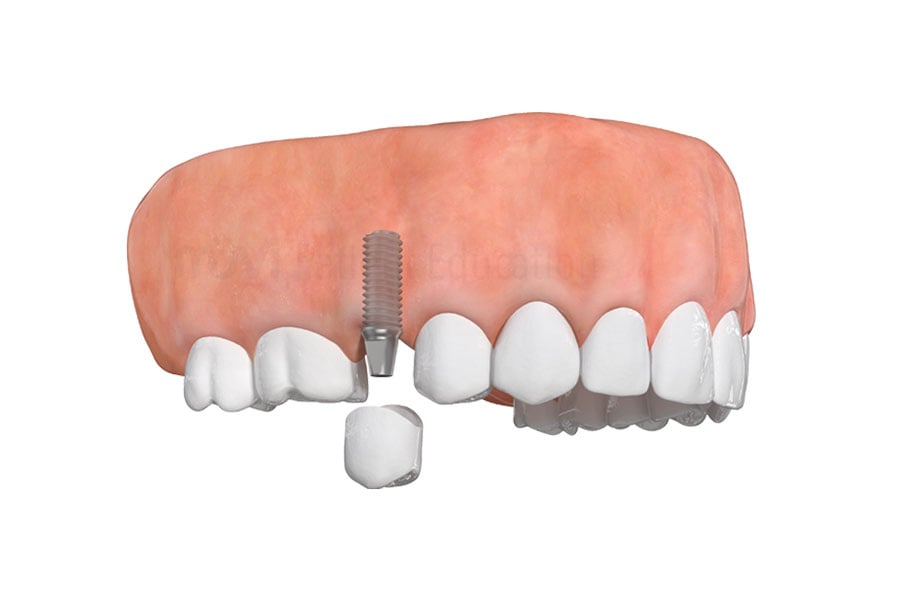
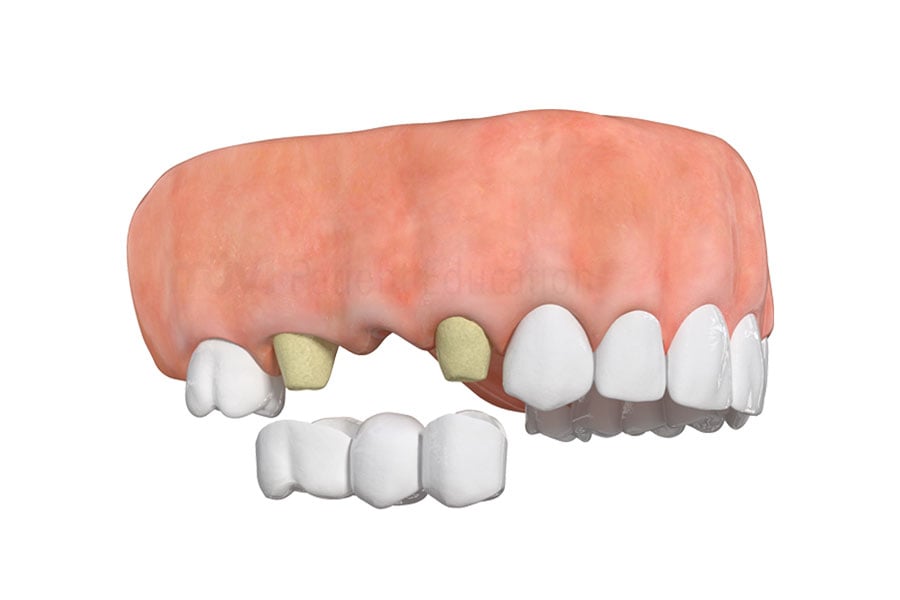
Dental Implant vs. Traditional Bridge
- Preserves neighbors: An implant stands on its own, so the healthy teeth beside it are never filed down or crowned
- Prevents bone loss: The titanium post stimulates the jawbone the way a natural root does, keeping it strong and healthy
- Lasts a lifetime: Cared for well, dental implants can last your whole life, where bridges typically need replacing every 10–15 years
- Easier to maintain: Brush and floss as normal, with no special tools or threading
- Natural feel: An implant looks, feels, and functions exactly like your real tooth
- A bridge, by contrast, leans on crowning the teeth on either side, which can wear them down over time
Why Choose an Implant?
- Looks natural: Your new tooth blends right in, virtually indistinguishable from your real teeth
- Eat anything: With no dietary restrictions, you bite and chew with full confidence
- Stays in place: Anchored permanently in your jawbone, it never slips, shifts, or needs adhesives
- Protects your jaw: It heads off the bone deterioration that sets in when a tooth root goes missing
- One-time investment: Unlike bridges and dentures, implants don't need refitting or replacing
- Ask about flexible financing options to make implants affordable
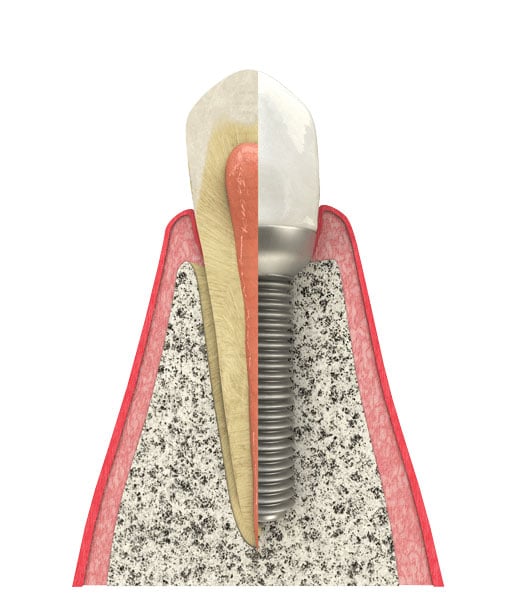
The Implant Process
- Consultation: Dr. Andre Amarante reviews your teeth with digital X-rays and CT scans and builds a precise treatment plan
- Implant placement: A small titanium post is set into the jawbone under local anesthesia
- Healing period: Across 3–6 months, the implant fuses with the bone through a process called osseointegration
- Abutment: A connector piece goes on the implant to support the crown
- Crown placement: A custom porcelain crown is attached, and your new tooth is complete
- If additional bone support is needed, we'll plan and coordinate your care before implant placement
For replacing a tooth, dental implants set the standard. Find out if you're a candidate.
What to Expect at Your Visit
Visit Steps
- Evaluation: Dr. Andre Amarante examines your teeth and jawbone in detail with advanced diagnostic imaging
- Treatment plan: You get a personalized plan that lays out timeline, cost, and what to expect at each stage
- Implant surgery: Performed under local anesthesia, which numbs the site before the implant is placed
- Healing: Over several months, the implant integrates with your jawbone
- Final restoration: Your custom crown goes on, completing your new smile
Helpful Tips
- Plan on a quiet day after implant surgery, then ease back into your routine as you feel ready
- Stick closely to the post-operative care instructions for smooth healing
- Keep hard or crunchy foods away from the implant site while it first heals
- Brush twice daily and floss around the implant to keep your oral hygiene excellent
- Keep every follow-up appointment so Dr. Andre Amarante can track your healing
- Cared for well, your dental implant can last a lifetime
Frequently Asked Questions
From implant placement to final crown, the process usually runs 3 to 6 months, and most of that time is healing rather than chair time. The placement surgery itself happens in a single office visit, but the titanium post needs to fuse solidly with your jawbone through a process called osseointegration before it can safely support a crown.
Once healing is complete, the remaining steps move quickly. An abutment connects to the implant, and your custom porcelain crown is designed and attached, usually adding just a few more weeks. When additional bone support is needed first, that adds to the timeline, since the graft site needs its own healing period before implant placement can begin.
Dr. Andre Amarante will give you a realistic, personalized timeline at your consultation once digital imaging shows exactly what your jawbone needs.
The site is numbed with local anesthesia before placement begins, so what most patients notice is pressure as the implant is set into the bone rather than sharp pain. Tell us if anything feels sharp and we will pause and add more anesthetic. Afterward, soreness and some swelling at the site are common and typically ease over the following few days, though how much varies from person to person.
Over-the-counter pain medication is usually all you need for recovery. Sticking to soft foods for the first day or two and keeping hard or crunchy foods away from the implant site while it heals both go a long way toward staying comfortable.
If you tend to feel anxious at the dentist, mention it at your consultation. Dr. Andre Amarante can walk you through exactly what to expect so there are no surprises on surgery day.
With proper care and good oral hygiene, dental implants can last a lifetime. That's because the titanium post fuses directly with your jawbone, so unlike a denture, there's nothing resting loosely on your gums to adjust or replace.
Normal wear may call for replacing the porcelain crown on top after 15–20 years, but the titanium implant beneath it is built to be permanent. Keeping up with brushing, flossing, and regular checkups is what makes the difference between an implant that lasts decades and one that needs attention sooner.
Think of it the way you'd think of a natural tooth: with good hygiene and regular checkups, the implant itself is built to last, while the visible crown is a component that can eventually be replaced without disturbing anything below the gumline.
Most adults missing a tooth are good candidates, provided there's enough jawbone density to support the implant. Healthy gums matter too, since they give the implant the best foundation to fuse with over the following months.
If additional bone support is needed, we'll plan and coordinate your care first, so the implant has a solid foundation before it's placed. Certain health conditions or habits like smoking can affect healing, which is worth mentioning at your consultation so we can plan around them.
Dr. Andre Amarante will assess your specific situation with digital imaging and a full review of your dental and medical history at our Evanston, IL office, then walk you through whether an implant is the right fit for your smile.
It depends on your specific case, including whether any additional bone support is needed, the complexity of the placement, and the final crown material. Every treatment plan is different, so the only way to get an accurate number is a consultation where Dr. Andre Amarante can examine your mouth and jawbone directly.
Implants can cost more upfront than a bridge, yet they often prove the better long-term value, since an implant can last a lifetime while bridges typically need replacing every 10–15 years, though what fits your case is worth discussing directly.
We offer flexible financing options to make treatment accessible, and our team will walk you through what your insurance may cover before you commit to a plan.
Left alone, a missing tooth sets off a chain reaction that reaches well beyond the empty space. Here's what tends to happen over time:
- Surrounding teeth gradually shift and drift into the open space, throwing off your bite alignment
- The jawbone beneath the gap starts to lose density without a tooth root to stimulate it
- Chewing becomes harder, especially on that side of your mouth
- Your bite changes as neighboring and opposing teeth move to compensate
- The risk of decay and gum disease rises in the neighboring teeth, which become harder to clean around as they shift
The longer you wait, the more complex and costly treatment becomes, since bone loss and shifting teeth can turn a straightforward implant into a case that needs additional bone support first. Replacing the tooth sooner rather than later is almost always the simpler, more affordable path.
Yes. It's common to look into an implant years after losing a tooth, often after living with a bridge or partial denture that never quite felt right. It's rarely too late to consider an implant.
You may simply need additional bone support first to rebuild the jawbone that has deteriorated over the years without a tooth root to keep it stimulated. That's a normal, expected part of treatment planning for long-standing gaps, not a sign that an implant is off the table.
Dr. Andre Amarante will assess your bone density with digital imaging and evaluate whether additional bone support can build a solid foundation for the implant. Long-term success then depends on how well the site heals and on individual factors specific to your case.
Reclaim your smile for good. Schedule your dental implant consultation today.